


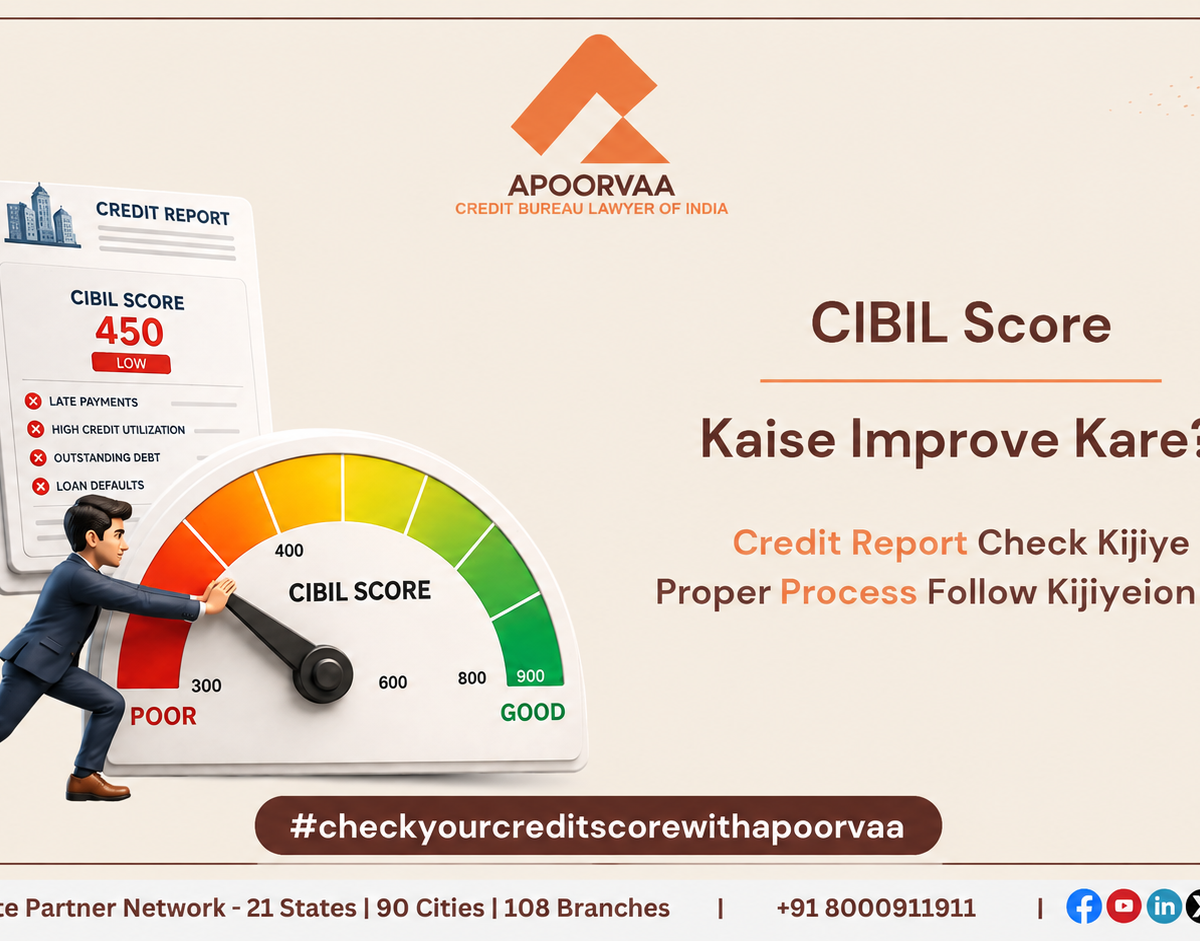
One of the most common financial goals people have today is improving their CIBIL Score. Whether they are planning to apply for a home loan, personal loan, business loan, or even a credit card, they understand that a better credit score can improve their chances of loan approval.
Unfortunately, many borrowers begin their journey by asking the wrong question.
Instead of asking,
“Why is my CIBIL Score low?”
they ask,
“How can I increase it quickly?”
This difference may seem small, but it completely changes the approach.
A CIBIL Score does not decrease without a reason, and it usually does not improve overnight either. The first step is not searching for shortcuts—it is understanding your credit report.
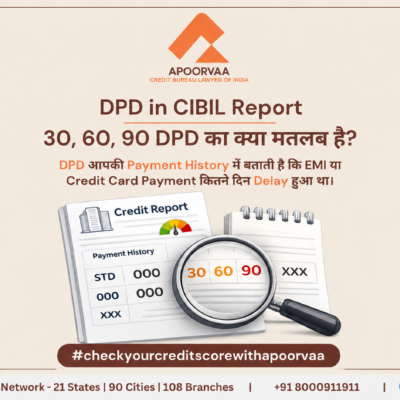
Your Credit Report Tells the Complete Story
Many borrowers only pay attention to the three-digit score displayed on top of the report.
However, the score is only a summary.
The actual reasons behind that score are found inside the detailed credit report.
Your report may contain information about:
- Loan accounts.
- Credit card accounts.
- EMI payment history.
- Outstanding balances.
- Loan enquiries.
- Personal information.
- Account status reported by lenders.
Every entry contributes to your overall credit profile.
That is why reviewing the complete report is far more useful than simply checking the score.
Identify Every Negative Observation
Once you have your latest credit report, don’t rush to improve your score immediately.
Instead, spend some time understanding every negative observation.
Ask yourself questions such as:
- Which account is affecting my score?
- Is the information correct?
- Is there any payment still pending?
- Has the account already been closed?
- Is any information incorrectly reported?
Preparing a simple list of these observations helps you understand what actually needs attention.
Without this step, borrowers often end up solving the wrong problem.
Contact the Concerned Lender
Many people believe the first step is approaching the credit bureau.
In many situations, the better starting point is the lender that reported the information.
If your report shows an issue relating to a particular loan or credit card, communicate with the concerned bank or financial institution.
Depending on your situation, you may need to:
- Understand the account status.
- Complete pending payments.
- Obtain written clarification.
- Request supporting documents.
- Complete any remaining formalities.
Understanding the lender’s records often provides much greater clarity before taking further action.
Why Documentation Is So Important
Many borrowers underestimate the value of proper documentation.
Whenever you resolve any credit-related matter, preserve important records such as:
- Payment receipts.
- Email communication.
- Bank acknowledgements.
- Loan closure letters.
- No Dues Certificates (where issued).
- Any official communication received from the lender.
These documents help establish what has already been completed and become valuable if clarification is required later.
Good documentation saves both time and unnecessary confusion.
When Does a Dispute Become Necessary?
A dispute has an important place in the credit reporting process, but it should be used correctly.
If you believe certain information appearing in your credit report is inaccurate, you may raise a dispute through the prescribed process.
The purpose of the dispute is to verify the reported information.
It should not be viewed as a shortcut for improving your score.
Once the reporting institution verifies the information and any required updates are made, those changes are reflected through the normal reporting cycle.
This is why understanding the complete process is more important than repeatedly raising disputes.
Why Your CIBIL Score Improves Gradually
One question borrowers frequently ask is:
“I have completed everything. Why hasn’t my score increased yet?”
The answer lies in how credit reporting works.
A CIBIL Score is not calculated using only one factor.
It considers several aspects of your credit profile, including repayment history, active credit accounts, credit utilisation, recent enquiries, and information reported by lenders.
When genuine issues are resolved, your credit profile begins to improve.
As positive repayment behaviour continues and updated information becomes part of your credit history, the score may gradually improve over time.
Patience is an important part of the process.
Common Mistakes Borrowers Make
Many borrowers unintentionally delay their own progress.
Some common mistakes include:
- Looking only at the score instead of the report.
- Ignoring negative entries.
- Believing promises of instant CIBIL improvement.
- Failing to maintain proper documentation.
- Applying for multiple loans without understanding previous rejections.
- Depending on shortcuts instead of understanding the actual issue.
Avoiding these mistakes can make the journey towards a healthier credit profile much smoother.
Build Better Financial Habits
Improving a CIBIL Score is not a one-time activity.
It is the result of consistent financial discipline.
Simple habits such as paying EMIs on time, using credit responsibly, avoiding unnecessary borrowing, and reviewing your credit report periodically help build a stronger financial profile over the long term.
Good credit behaviour is always more valuable than quick solutions.
Key Takeaway
Improving your CIBIL Score is not about finding a magic formula.
It is about following the correct sequence:
✔ Review your credit report.
✔ Identify genuine issues.
✔ Communicate with the concerned lender.
✔ Maintain proper documentation.
✔ Raise disputes wherever appropriate.
✔ Continue responsible financial behaviour.
When these steps are followed patiently, your credit profile gradually becomes stronger, making future borrowing decisions much easier.
Educational Note
This article is published for financial awareness and educational purposes. Every borrower’s financial situation is different, and the appropriate course of action depends on the specific facts of each case. Understanding your credit report and following the prescribed process is always the first step towards building a healthier credit profile.