



A good credit score is often associated with getting a loan approved. But a healthy credit profile can offer benefits beyond simply qualifying for a new loan.
It can strengthen your position when discussing loan terms, help when exploring a balance transfer, support requests for additional funding and even become relevant when requesting a higher credit card limit.
However, there is one important point to understand:
A good credit score improves your credit profile, but it does not guarantee approval or better terms.
Banks and financial institutions consider several factors before making lending decisions, including income, existing obligations, repayment capacity, loan type and their internal policies.
So, what are the practical advantages of maintaining a healthy credit report and score?
Here are five important benefits.
1. Better Chances of Loan Approval
Whenever you apply for a loan, the lender wants to understand how responsibly you have handled credit in the past.
Your credit report can provide information about:
- Previous and existing loans.
- Credit card accounts.
- EMI repayment history.
- Outstanding balances.
- Payment delays.
- Account status.
- Recent credit enquiries.
A healthy credit profile with regular repayment behaviour can strengthen your loan application.
For example, if two applicants have similar income but one has maintained regular repayments while the other has recent payment delays, their credit profiles may be assessed differently.
However, the credit score is only one part of the decision.
The lender may also evaluate your income, employment or business stability, existing EMIs and overall repayment capacity before approving the loan.
Therefore, a good score should be viewed as an advantage during the assessment, rather than a guarantee of approval.
2. Better Position to Discuss Interest Rates
Many borrowers assume that the interest rate offered by a bank cannot be discussed.
But if you have maintained a strong repayment history and your credit profile has improved, you may have a better basis to discuss available lending terms with your bank.
Suppose you already have a loan and have been paying your EMIs regularly for several years.
Your income has increased, your credit profile is healthy and another lender is offering a more competitive rate.
You may approach your existing lender and ask whether a better rate is available based on your current financial and credit profile.
Whether the lender agrees will depend on its policies and the loan product.
Still, maintaining a healthy credit profile can put you in a better position to have that conversation.
3. Opportunity to Explore a Loan Balance Transfer
A good credit profile may also help when you want to transfer an existing loan from one lender to another.
This is commonly known as a loan balance transfer.
For example, you may have an existing loan with one bank at a particular interest rate. Later, another lender may offer you more favourable terms.
The new lender will still evaluate your eligibility before accepting the transfer.
Your existing repayment behaviour and overall credit profile can become important during this assessment.
But borrowers should not transfer a loan simply because the new interest rate looks lower.
Before making the decision, compare:
- Existing and proposed interest rates.
- Remaining loan tenure.
- Outstanding principal.
- Processing charges.
- Transfer-related costs.
- Overall savings.
A balance transfer is beneficial only when the complete financial calculation makes sense.
4. Additional Funding May Become Easier to Explore
Sometimes borrowers need additional finance even when an existing loan is still running.
A homeowner may require a top-up facility, or a business owner may require additional funding for expansion or working capital.
Depending on the loan product and lender policy, additional funding may be available to eligible borrowers.
A lender may examine:
- Existing loan repayment.
- Current outstanding amount.
- Income or business cash flow.
- Existing liabilities.
- Credit history.
- Repayment capacity.
A healthy credit profile and disciplined repayment history can strengthen the request.
Again, additional funding is not automatically available simply because the CIBIL Score is high.
The lender will assess the complete financial situation.
5. Better Position to Request a Higher Credit Card Limit
A good credit profile may also help when requesting an increase in your credit card limit.
Suppose your income has increased since the credit card was originally issued and you have consistently managed the card responsibly.
You may approach the card issuer and request a limit enhancement.
Depending on its policy, the issuer may consider your:
- Income.
- Existing credit limit.
- Card usage.
- Repayment history.
- Overall credit profile.
You may also be asked to submit updated income documents.
A good credit score does not guarantee that your limit will be increased, but responsible credit behaviour can strengthen your request.
At the same time, a higher limit should be used responsibly.
More available credit should not automatically mean more spending.
A Good Score Is Only One Part of a Healthy Credit Profile
One common mistake is focusing completely on the three-digit credit score.
Your credit report is equally important.
Someone may have a reasonably good score but still have information in the report that deserves attention.
That is why borrowers should periodically review details such as:
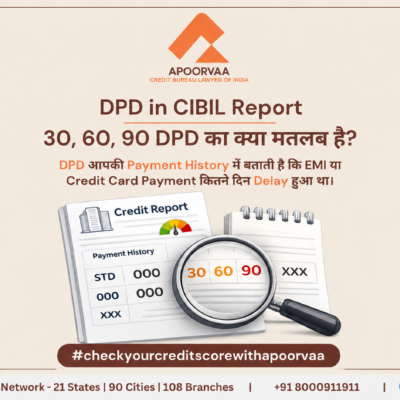
- DPD or payment history.
- Loan account status.
- Credit card balances.
- Settled or written-off accounts.
- Recent enquiries.
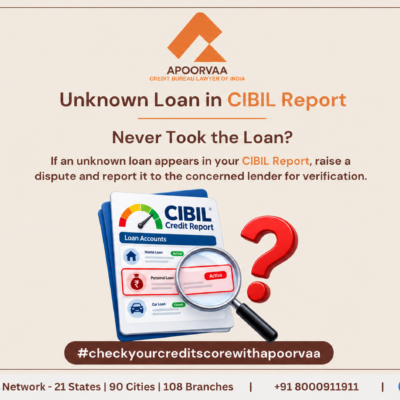
- Incorrect or unfamiliar accounts.
A healthy credit profile means understanding the complete report—not simply checking whether the score has crossed a particular number.
How Can You Maintain a Healthy Credit Profile?
Good credit health is built through consistent financial behaviour.
Simple habits can make a meaningful difference:
- Pay EMIs on time.
- Pay credit card dues responsibly.
- Avoid unnecessary borrowing.
- Do not apply for multiple loans without a genuine requirement.
- Keep credit usage manageable.
- Review your credit report periodically.
- Address genuine reporting errors through the appropriate process.
Most importantly, don’t wait until you urgently need a loan before thinking about your credit profile.
Credit history develops over time.
The financial discipline you maintain today may give you better options when you need credit tomorrow.
Key Takeaway
A good credit score can offer several practical benefits.
It may help you:
✔ Strengthen your chances of loan approval.
✔ Negotiate lending terms from a better position.
✔ Explore a loan balance transfer.
✔ Request additional funding when eligible.
✔ Seek enhancement of your credit card limit.
But none of these benefits should be considered automatic.
Banks and financial institutions assess the complete financial and credit profile before making a decision.
The real value of a healthy credit profile is not simply having a high number on your credit report.
It gives you stronger financial options when you genuinely need them.
Educational Note
This article is published for financial awareness and educational purposes. Loan approval, interest rates, balance transfers, additional funding and credit limit enhancement depend on the policies and eligibility criteria of individual banks and financial institutions. A good credit score can strengthen a borrower’s credit profile but does not guarantee approval or specific lending terms.