


Knowing how and when a closed credit account affects your credit score is crucial for maintaining financial health. The closure of a credit account can significantly influence your credit score, either positively or negatively. Keeping track of your credit report helps you stay informed about any changes caused by account closures and ensures better financial planning.
What is a closed credit account?
A closed credit account is a financial arrangement, such as a loan or credit card that has been terminated, either because it was fully paid off or due to other reasons. The closure of such accounts can impact your credit score in both positive and negative ways. For example, fully paying off a personal loan can enhance your credit score. Conversely, if a loan is written off by the lender due to default, it can negatively affect your score. Although closing an account marks the end of a direct financial relationship with the lender, the account’s details continue to influence your credit report and score.
Regularly reviewing these reports can help identify discrepancies early and report them to credit bureaus for resolution.
How closed credit accounts affect your credit score
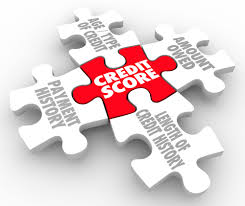
The impact of a closed credit account on your credit score depends on several factors, including your payment history, the type of account, and your overall credit profile. Below are some key areas where closing an account may influence your credit score:
- Credit Utilisation Ratio
When a credit card is closed, your total available credit limit reduces, which can increase your credit utilisation ratio—the percentage of credit used compared to the available limit. A higher utilisation ratio can negatively affect your credit score.
- Length of Credit History
Credit bureaus calculate the average age of your credit accounts when determining your score. Closing an older account can shorten your credit history, which may cause a temporary dip in your score. Lenders often prefer borrowers with a long and stable credit history, so closing long-standing accounts could be disadvantageous.
- Credit Mix
A diverse credit portfolio—including credit cards, loans, and credit lines—can improve your credit score. However, the benefits of a strong credit mix depend on responsible management. Closing an account may reduce this diversity and could affect your score.
- Payment History
Positive payment history from a closed account can continue to reflect well on your credit score. Even after closure, consistent and timely payments made during the account’s tenure remain part of your credit report.
- New Credit Application
When you apply for new credit, lenders perform a hard inquiry on your credit report, which may temporarily lower your credit score. Frequent applications within a short period can signal financial distress, reducing your creditworthiness. However, occasional applications, when managed responsibly, may have minimal impact.
When will a closed credit account appear in your credit score?
The time it takes for a closed credit account to reflect on your credit report varies. Here’s how the process works:
- Lender Reporting
Lenders usually report credit activity, including account closures, to credit bureaus once a month. Depending on when the closure occurs in the lender’s billing cycle, it can take 30 to 45 days for the closure to appear on your credit report. In some cases, it might take 3–4 months for the update to reflect.
- Credit Bureau Processing
Credit bureaus like Experian, CIBIL, and CRIF Highmark process updates to credit reports after receiving information from lenders. The processing time depends on the bureau’s systems and procedures, which may further delay the update.
- Immediate vs. Long-Term Impact
While a closed account may be visible in your report within one or two months, the overall effect on your credit score could take longer to manifest, depending on other factors in your credit profile.
Consequences of closing credit accounts
Closing a credit account comes with potential consequences that can affect your credit score in different ways:
- Credit Card Closure
When you close a credit card, your overall credit limit decreases, which could increase your credit utilisation ratio. Keeping credit card accounts open, especially those with a long credit history, can positively impact your score.
- Loan Account Closure
A loan account is automatically closed upon full repayment. While this demonstrates financial responsibility, it may reduce the diversity of your credit mix.
- Timing Matters
Closing a credit account just before applying for a new loan can harm your loan approval chances. The short-term impact on your credit score from account closure may lower your creditworthiness temporarily. It’s advisable to delay account closures until after securing a new loan.
Minimising the impact of account closures on your credit score
To ensure that closing a credit account has minimal adverse effects, consider the following strategies:
- Maintain a Low Credit Utilisation Ratio
Before closing a credit account, especially a credit card, ensure your balances on other accounts are low. This helps keep your utilisation ratio in check.
- Monitor Your Credit Score
Regularly track your credit score to stay updated on any changes. If you find any discrepancies, report them to the credit bureaus for correction.
- Clear Outstanding Balances
Pay off all dues on an account before closing it. Unpaid balances or defaults can severely harm your credit score and remain on your credit report for years.
- Diversify Your Credit Portfolio
Aim for a balanced mix of credit types, such as credit cards, personal loans, and auto loans. Properly managing a diverse credit portfolio demonstrates financial discipline and boosts your credit score.
Conclusion
A closed credit account can influence your credit score in both positive and negative ways. Fully understanding how such closures impact your financial profile is key to managing your credit effectively. By monitoring your credit report, maintaining low utilisation, and responsibly managing your accounts, you can mitigate potential drawbacks and work toward a stronger credit score.