


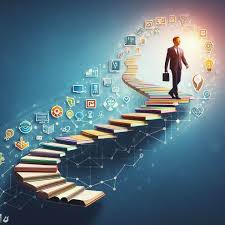
In today’s fast-paced world, where technology and industries are constantly evolving, the ability to learn and adapt has become a crucial skill. The concept of continuous learning is more important than ever, as it helps individuals stay relevant, competitive, and prepared for new challenges. Whether you are looking to advance in your career, switch fields, or simply grow personally, upskilling is a powerful tool to help you succeed. This article explores the importance of continuous learning, how to get started, and the numerous opportunities that come with acquiring new skills.
Introduction to Continuous Learning
Continuous learning is the ongoing, self-motivated pursuit of knowledge for both professional and personal development. It goes beyond formal education and involves a commitment to staying up-to-date with industry trends, learning new technologies, and refining existing skills. With the rapid changes in the global economy, automation, and digitalization, professionals need to continuously learn to remain relevant in their careers.
Moreover, continuous learning isn’t limited to your job—it enhances critical thinking, creativity, and adaptability in all areas of life. It empowers you to tackle new challenges, solve problems more effectively, and seize opportunities that others may miss.
How to Start Your Continuous Learning Journey
Starting your journey toward continuous learning can feel overwhelming, but it doesn’t have to be. Here’s how you can begin:
- Identify Your Goals
Begin by assessing your current skills and identifying areas where you would like to grow. These could be related to your job, a new career path, or personal interests. Clear goals will help you focus your learning efforts.
- Evaluate Your Strengths and Weaknesses
Take time to evaluate your strengths and weaknesses. This will give you clarity on what you already excel at and which areas require improvement. Being self-aware will help you make informed decisions about which skills to prioritize.
- Set a Learning Schedule
Consistency is key to continuous learning. Set aside dedicated time for learning each day or week, whether it’s 30 minutes or an hour. Scheduling ensures that learning becomes a habit and not something that gets pushed aside by daily distractions.
- Start Small and Build Momentum
Begin with small, manageable goals like reading an article, listening to a podcast, or taking a short online course. Over time, you can tackle bigger learning objectives like mastering new software, enrolling in a certification program, or attending workshops.
How Acquiring New Skills Can Open Up Better Opportunities
Continuous learning offers a host of benefits, including access to better opportunities in both your professional and personal life. Here is how acquiring new skills can create doors to new possibilities:
- Career Advancement
New skills can set you apart from others, making you a valuable asset in your workplace. Whether it is mastering a new software program, learning data analysis, or improving communication, acquiring relevant skills can lead to promotions, salary raises, and greater job security.
- Increased Employability
In a world where job roles and industries are constantly evolving, having updated skills ensures that you remain employable. Employers look for candidates who demonstrate a commitment to growth and adaptability.
- Enhanced Problem-Solving and Innovation
Learning new things opens your mind to different perspectives and ideas. It equips you with the tools to approach problems in innovative ways, driving both personal and organizational success.
- Opportunity for Career Transition
Continuous learning allows you to switch careers more easily. For instance, if you’ve been in marketing and want to explore data science, taking relevant courses and building expertise will help you make that transition smoother and more successful.
- Personal Fulfilment
Beyond professional benefits, learning also brings a sense of accomplishment and satisfaction. Acquiring knowledge and skills improves self-confidence and keeps your mind sharp, making you better equipped to face challenges in both work and life.
What Are Your Options for Learning?
The good news is that today’s digital age offers a variety of learning options to fit different schedules, budgets, and preferences. Here are some of the most popular ways to upskill:
- Online Courses and Certifications
Platforms like Coursera, Udemy, and LinkedIn Learning provide an extensive range of online courses covering everything from coding and digital marketing to leadership and emotional intelligence. Many offer certifications that you can showcase on your resume or LinkedIn profile.
- Workshops and Webinars
Participate in live workshops or webinars hosted by industry experts. These often provide hands-on experience and networking opportunities with peers and professionals in the field.
- Books, Blogs, and Podcasts
Reading books, following expert blogs, or listening to podcasts on specific topics are excellent ways to learn new things without committing to a formal course. These are also great ways to stay updated on industry trends.
- Networking and Mentorship
Learning from others is a valuable and often underappreciated form of education. Join professional groups, attend conferences, or connect with mentors who can guide you and share their knowledge and experience.
- Volunteering and Practical Experience
Another excellent way to learn is by doing. Volunteering or taking on new responsibilities at work can give you practical, hands-on experience in areas you’re looking to grow in. For instance, if you’re interested in project management, offer to lead a project at your organization.
- Micro Learning
If time is limited, micro learning can be your best friend. It involves breaking down content into small, bite-sized lessons that take only a few minutes to complete. Platforms like Duolingo for language learning and Blinkist for book summaries make learning accessible even during short breaks.
Conclusion
In a world that never stops evolving, neither should we. Continuous learning is the key to staying competitive and achieving personal growth. Whether you are looking to advance in your current career, make a transition, or simply enrich your life, the power of learning is unmatched. The opportunities are endless, from online courses and certifications to podcasts and books.