


With digital payments transforming the way Indians transact, it’s no surprise that tech platforms like Google Pay are stepping into the lending space. Google Pay, in partnership with various NBFCs and banks, now offers personal loans directly through its app. A few taps and swipes, and the loan amount lands in your bank account. But is it really that simple?
Before you apply for a personal loan via Google Pay, it’s important to understand how it works, what you should watch out for, and whether it’s the right fit for your financial needs.
How Google Pay Personal Loans Work
Google Pay itself is not a lender. It acts as a digital facilitator, connecting borrowers with partnered financial institutions like DMI Finance, ZestMoney, or Axis Bank. When you apply for a loan on the app, the approval, disbursal, repayment terms, and interest rates are all managed by the respective lending partner.
The process is streamlined:
- You receive a loan offer based on your credit profile.
- If eligible, you can choose the loan amount and tenure.
- KYC verification and digital agreement signing are done online.
- The money is directly credited to your bank account.
Pros of Applying through Google Pay
- Convenience – No paperwork, no bank visits. The entire process is app-based and takes just minutes.
- Pre-approved Offers – Based on your usage and creditworthiness, some users see tailored loan offers.
- Faster Disbursal – Loans can be approved and disbursed in less than 24 hours.
- Transparency – Loan details like EMI, tenure, and interest rate are shown upfront.
What Indian Borrowers Should Watch Out For
- Interest Rates May Vary – Rates can range from 10% to over 30% annually, depending on your profile and lender.
- Hidden Charges – Watch out for processing fees, late payment penalties, and GST on interest.
- Short Repayment Cycles – Some loans offer limited tenures—meaning higher monthly EMIs.
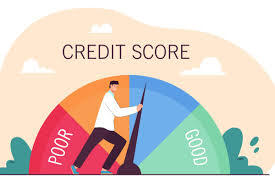
- Impact on Credit Score – A rejected application or delayed repayment reflects on your credit report.
- Lender Legitimacy – Ensure the lending partner is RBI-registered. Avoid shady loan apps that mimic genuine platforms.
Is It Right for You?
While Google Pay’s personal loan service may be ideal for emergency or short-term needs, it’s not for everyone.
Consider it if:
- You have a genuine financial emergency and no cheaper borrowing options (like a salary advance).
- You understand the EMI commitment and can repay on time.
- You’ve compared rates across platforms.
Avoid it if:
- You’re already juggling multiple EMIs or credit card debt.
- You’re borrowing for discretionary spending (vacations, gadgets).
- You haven’t read the full terms and conditions.
Expert Tips Before You Hit ‘Apply’
- Check Your Credit Score First – Use platforms like CIBIL, Experian, or CRIF to understand where you stand.
- Use Loan Calculators – Google Pay shows EMIs, but cross-verify using other calculators for accuracy.
- Read Reviews – Check borrower experiences with the lending partner.
- Avoid Over-Borrowing – Just because you’re eligible doesn’t mean you should borrow the maximum amount.
- Set Up Auto-Pay – To avoid missed EMIs and penalties, automate repayments.
Conclusion
Google Pay is making credit access easier for the smartphone-savvy generation in India. But just because something is convenient doesn’t make it risk-free. Always treat digital loans with the same caution as traditional ones. Understand the terms, plan your repayment, and most importantly, borrow only when absolutely necessary.
Loans are a responsibility, not a reward. Use them to build—not burden—your financial future.