



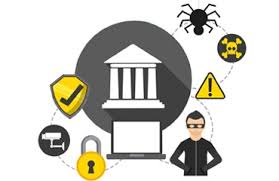
India’s banking sector has recently witnessed a significant escalation in fraudulent activities, raising concerns about the integrity of the country’s financial ecosystem. According to the Reserve Bank of India’s (RBI) “Report on Trend and Progress of Banking in India 2023-24,” the first half of FY25 saw 18,461 reported fraud cases involving ₹21,367 crore, marking an alarming eightfold increase from ₹2,623 crore during the same period last year. This surge demands urgent, multifaceted responses from regulators, banks, and customers to protect the stability of India’s financial system.
Understanding the Surge in Bank Frauds
The RBI report reveals a complex landscape of frauds evolving in scale and type. For FY24, 36,075 bank fraud cases were reported — a 166% increase compared to the previous year. However, the total amount involved fell by 46.7% to ₹13,930 crore. This paradox indicates more frequent smaller-value frauds, which are harder to detect due to their volume.
Digital payment frauds are especially concerning, accounting for 44.7% of the total fraudulent amount and 85.3% of cases. With the rise of digital payments such as UPI, mobile wallets, cards, and internet banking, new vulnerabilities like phishing, SIM swaps, OTP interception, and malware attacks have become common.
Traditional frauds such as loan frauds, forgery, and internal collusion still persist, involving manipulation of loan documents, fake KYC, and insider collusion, highlighting systemic risks.
RBI’s Multi-Pronged Strategy to Combat Frauds
In response, the RBI has launched several robust measures addressing technological and governance aspects of fraud.
1. Secure Domain Names
To combat phishing and spoofing that lure customers to fake websites, RBI plans exclusive domain names like ‘bank.in’ for banks and ‘fin.in’ for non-bank financial companies. Managed by the Institute for Development and Research in Banking Technology (IDRBT), registrations will start in April 2025, helping customers identify genuine websites easily.
2. AI-Powered Fraud Detection
RBI is developing AI and machine learning-based systems to detect suspicious transactions in real-time, sending instant alerts to banks and customers. This predictive approach aims to minimize losses by identifying fraud trends early.
3. Central Payments Fraud Information Registry
A centralized, web-based fraud reporting system has been implemented where banks and NBFCs must report fraud incidents promptly. This consolidated data allows regulators to spot systemic vulnerabilities and enable faster preventive actions.
4. Public Repository of Digital Lending Apps
To counter fraudulent lending platforms, RBI is creating a public repository of verified digital lending apps from regulated entities. This helps consumers verify app legitimacy and avoid scams in the growing digital lending market.
Strengthening Governance and Cybersecurity
The RBI emphasizes that technology alone cannot eliminate fraud without sound governance and risk management. Banks are urged to strengthen internal controls, enhance compliance culture, and adopt rigorous cybersecurity frameworks. Regular audits, employee training, and adopting the Cyber Security Framework for Banks (CSFB) with incident response protocols are being encouraged.
Frequent vulnerability assessments and penetration testing help banks stay ahead of evolving cyber threats.
Consumer Awareness and Safety Measures
While institutional safeguards are critical, consumer vigilance remains the first defense line. RBI and banking associations run awareness campaigns educating customers about fraud prevention.
Consumers should:
- Verify Communications – Always confirm calls or messages claiming to be from banks, especially when requesting sensitive info.
- Protect Personal Data – Never share OTPs, passwords, or PINs, and avoid responding to unsolicited requests.
- Use Official Channels – Access banking services through verified websites or apps, and watch out for look-alike domains.
- Enable Multi-Factor Authentication – Use two-factor or biometric authentication wherever available.
- Monitor Accounts – Regularly check statements and alerts for unauthorized activity.
- Report Suspicious Activity – Inform banks and authorities immediately if fraud is suspected.
Regulatory Coordination and Industry Collaboration
Combating banking fraud requires cooperation across the financial ecosystem. The RBI works with the Ministry of Finance, law enforcement, cybersecurity firms, and industry bodies to share intelligence and enforce anti-fraud frameworks.
Regulatory sandbox environments allow banks and fintechs to pilot innovative fraud detection technologies under RBI oversight, balancing innovation with security.
Looking Ahead: Building a Safer Financial System
Banking frauds present a persistent, evolving threat to India’s financial sector. The RBI’s strategy — combining technology, governance reforms, consumer education, and industry collaboration — aims to create a resilient financial ecosystem.
However, success depends on collective responsibility. Customers, fintech firms, cybersecurity experts, regulators, and policymakers must work together to maintain trust and security as digital finance advances.
Conclusion
The surge in banking frauds is a wake-up call for all stakeholders in India’s financial system. The RBI’s multi-dimensional approach reflects its commitment to safeguarding depositors and maintaining stability. By adopting advanced technologies, reinforcing governance, and promoting consumer awareness, the RBI seeks to create a banking environment where innovation and security coexist.
In this ongoing fight against fraud, awareness, vigilance, and proactive action from every participant in the financial ecosystem will determine the strength and resilience of India’s banking future.