



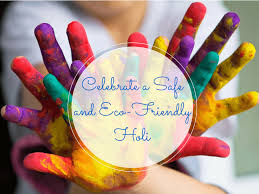
Holi, the festival of colors, is one of the most vibrant and joyful celebrations in Indian culture. It marks the arrival of spring, symbolizing renewal, the victory of good over evil, and the shedding of old layers for a fresh start. Yet, as the years go by, the way we celebrate has also shifted—often involving synthetic colors, excessive water usage, plastic waste, and indulgence in unhealthy foods.
But what if we could enjoy Holi just as exuberantly while being kind to ourselves and the environment? What if this ancient festival could become a platform to celebrate not only colors but also conscious living?
Welcome to “Holi with a Heart”—a way to celebrate that’s joyful, sustainable, and deeply nourishing for both you and the planet.
The Case for Conscious Celebrations
Modern Holi celebrations, while festive, have contributed to environmental strain and health hazards. Artificial gulals often contain harmful chemicals like lead, mercury, or mica. Water balloons and excessive pichkari use contribute to wastage of thousands of litres of clean water. Plastic packaging, food waste, and loud noise pollution further distance us from the true spirit of the festival.
Eco-friendly Holi is not about restricting joy—it’s about aligning joy with responsibility, and discovering the inner peace that comes from celebrating mindfully.
Step 1 – Choose Natural and Skin-Friendly Colors
Synthetic colors not only harm the skin and hair but also seep into soil and water sources, damaging ecosystems. Natural gulals, on the other hand, are:
- Made from flowers, turmeric, beetroot, henna, and gram flour.
- Gentle on skin and biodegradable.
- Easily available from local artisans or homemade.
DIY Tip – Dry hibiscus petals in the sun, grind them into a powder, and mix with a little rice flour for a rich pink hue. Use turmeric for yellow, spinach for green, and beetroot powder for red.
Step 2 – Celebrate with Water Wisdom
In a country where many still face water scarcity, wasting water for fun can feel disconnected from ground realities. Dry Holi is becoming a popular alternative, especially in urban settings, and offers just as much joy.
If you prefer a splash of water:
- Limit usage to small buckets instead of running taps.
- Avoid water balloons, which not only waste water but also create non-biodegradable litter.
- Play in common spaces like society lawns to reduce individual water cleaning needs.
Step 3 – Reduce Waste, Embrace Reusables
From disposable cups to plastic color packets, Holi can generate heaps of garbage. Shift to:
- Cloth bags or jute pouches for gifting.
- Steel or compostable utensils for snacks and drinks.
- Natural decorations like flowers, rangoli made with rice powder or pulses.
Zero-Waste Tip – Use banana leaves or eco-friendly pattals (leaf plates) for serving traditional snacks like gujiya and dahi bhalla.
Step 4 – Serve Plant-Based, Seasonal Foods
Festive foods don’t have to be overly rich or processed. Keep your Holi spread wholesome and rooted in Indian traditions:
- Use natural sweeteners like jaggery or dates in sweets.
- Try baked gujiyas instead of deep-fried ones.
- Offer seasonal drinks like thandai made with almonds, fennel, and rose petals.
- Add fresh fruits and local veggies to your menu.
Mindful Eating Tip – Prepare smaller batches to avoid food waste, and consider sharing leftovers with those in need.
Step 5 – Link Outer Celebration with Inner Peace
Holi isn’t just about playing with colors; it’s a celebration of renewal. Use the occasion to reflect inward:
- Declutter your space before the festival, mirroring the idea of cleaning your spirit.
- Take time to forgive and reconnect with people you may have drifted from.
- Include a moment of silence, prayer, or gratitude before starting the day.
Just as we cleanse the outside, Holi is also an opportunity to cleanse emotions—letting go of resentment and embracing positivity.
Include the Whole Family
Children and elders alike can take part in eco-friendly Holi. Involve kids in making homemade gulal or organizing neighborhood flower Holi games. Educate them about the environmental impact of certain practices in fun, engaging ways.
Community Tip – Host an “Eco-Holi” in your apartment complex or school with natural colors, organic snacks, and awareness activities.
Conclusion: Celebrating Mindfully Is a Celebration of Life
Choosing an eco-friendly Holi doesn’t mean toning down the fun—it means elevating the experience. When we celebrate with awareness, every color feels more vibrant, every moment more meaningful.
This Holi, invest in yourself by choosing practices that protect your body, uplift your spirit, and nurture the Earth. The joy of Holi doesn’t come from what we throw on others, but what we share with them—love, laughter, and care.
So put on your white kurta, gather your natural colors, and step into a celebration that’s as kind as it is colorful.